
I didn’t run the flagship UTMB — I ran its wilder, lesser-known sibling: the TDS, Sur les Traces des Ducs de Savoie. In 2024, I lined up for 148 kilometers through the rugged Savoie region, and by the finish, I understood exactly why runners who know the UTMB series talk about TDS with a specific kind of respect.
Why I Chose TDS Over the Main UTMB Race
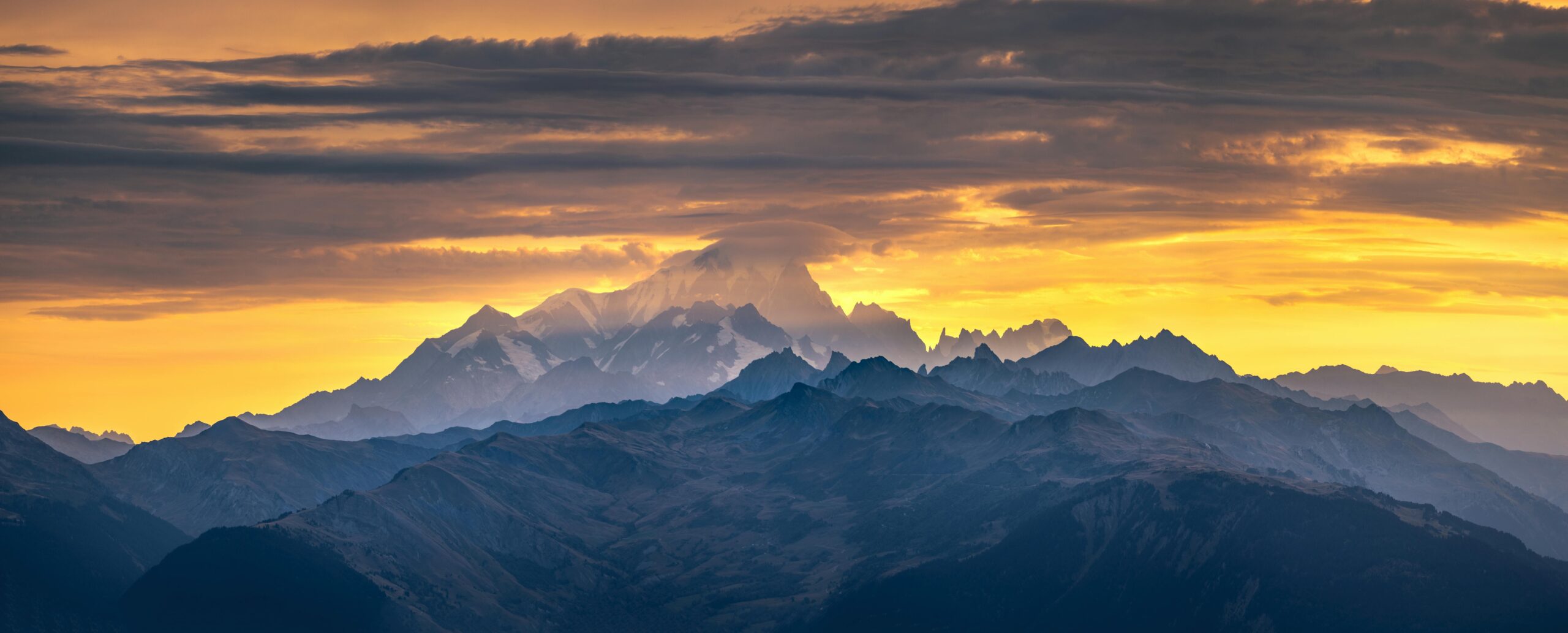
The Ultra-Trail du Mont-Blanc series is built around Mont Blanc, and the flagship 171 km UTMB race gets most of the attention — but I wanted something wilder, less about following in everyone else’s footsteps and more about genuine mountain terrain. TDS delivered exactly that: 148 kilometers through the Savoie region, tracing routes once used by the Dukes of Savoie themselves, with a reputation among the UTMB community for technical, demanding terrain that doesn’t let up.
I’d looked at UTMB for two years before signing up for anything in the series. What eventually pulled me toward TDS specifically was talking to other runners who’d done both — almost every one of them said the same thing: TDS is where you go if you want the mountains to test you, not the crowds to cheer you.
The Terrain That Earned TDS Its Reputation
Nothing about TDS felt like a warm-up race. The course wound through rugged, remote sections of the Alps that felt genuinely wild — narrow trails, exposed ridgelines, and climbs that tested my legs as much as my nerve. I’d read that TDS was considered more technical than the main UTMB race, and by kilometer sixty, I believed every word of it.
Studying the elevation profile before the race only tells you so much. In practice, TDS meant hour after hour of climbing followed by descents steep enough to demand full concentration, even deep into the night when fatigue was doing its best to break that focus. There were stretches where I was scrambling more than running, hands on rock, headlamp barely cutting through the dark, and moments where I genuinely questioned whether I’d read the course markers correctly.
Cutoff times added their own pressure — managing pace against the clock became a mental discipline as important as physical endurance. I remember doing math in my head at 3 a.m., half-delirious with fatigue, trying to figure out if I had enough buffer before the next checkpoint closed.
The Nights on TDS
If there’s one thing that defines TDS for me, it’s the nights. Unlike shorter races where you might see one sunset or one sunrise, TDS stretched across two full nights for most finishers — long hours alone on the trail, or occasionally with a handful of other headlamps bobbing somewhere ahead or behind. The silence up there is its own kind of intense. No crowds, no music, just wind, footsteps, and the occasional cowbell from somewhere in the valley below.
By the second night, sleep deprivation had turned into something closer to a hallucinatory fog. I remember talking to myself out loud just to stay alert, counting switchbacks, promising myself small rewards — a sip of coffee, five minutes of sitting down — just to keep moving forward.
Race Day: Starting in the UTMB World
Being part of UTMB week, even running TDS rather than the flagship race, meant sharing in an atmosphere unlike anything else in trail running. Gear checks, mandatory equipment verification, meeting runners from every continent who’d traveled specifically for this week in the Alps — the energy before the start was electric, and it carried me through the early, easier kilometers before Savoie’s terrain reminded me what I’d signed up for.
The start itself was almost deceptively calm — a steady stream of headlamps moving out of town in the early morning light, everyone still fresh, still smiling for photos. It’s a strange thing, knowing at that moment that some of those same runners would be crawling by hour thirty.
How TDS Compares to the Rest of the UTMB Series
Having run TDS, I’ve since paid closer attention to the other races in the series. The flagship UTMB covers 171 km with over 10,000 meters of climbing around Mont Blanc itself — the race most people picture when they hear the series name. The CCC (Courmayeur-Champex-Chamonix), at 101 km, offers a more accessible taste of the same world. The OCC (Orsières-Champex-Chamonix), at 56 km, is where I’d point anyone curious about the atmosphere without committing to a full ultra distance. And for those chasing something even wilder than TDS, the PTL (Petite Trotte à Léon) is a non-competitive team event covering roughly 300 km, built around navigation and teamwork rather than racing against the clock.
Talking with other finishers afterward, a common thread came up again and again: people who’d done both UTMB and TDS almost universally described TDS as the tougher technical challenge, even with 23 fewer kilometers on paper.
What TDS Taught Me
Finishing TDS in 2024 didn’t come with the same crowds or fanfare as the main UTMB finish line — and honestly, that felt right. It was a race about the mountains themselves, about remote trails and long hours where it was just me, the terrain, and the decision to keep moving.
What stayed with me most wasn’t any single climb or descent — it was the accumulation of small decisions made alone, in the dark, when nobody was watching and quitting would have been easy to justify. That’s a different kind of lesson than the one you get from a race with crowds at every aid station.
Some of the patience I needed out there started long before Savoie — on trails much closer to home. A route like Valea Budului taught me things about pacing that I carried through every technical section of TDS.
For official details on TDS or any race in the UTMB series, the UTMB World Series official page has everything you need to start planning.
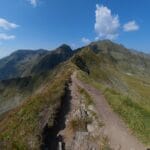
[…] dreamy views over Romania’s entire mountain dome, recharged me every time I was at my limit. I mountain run out of passion — and in the hardest moments, that passion is the only thing that keeps you in the race when your […]